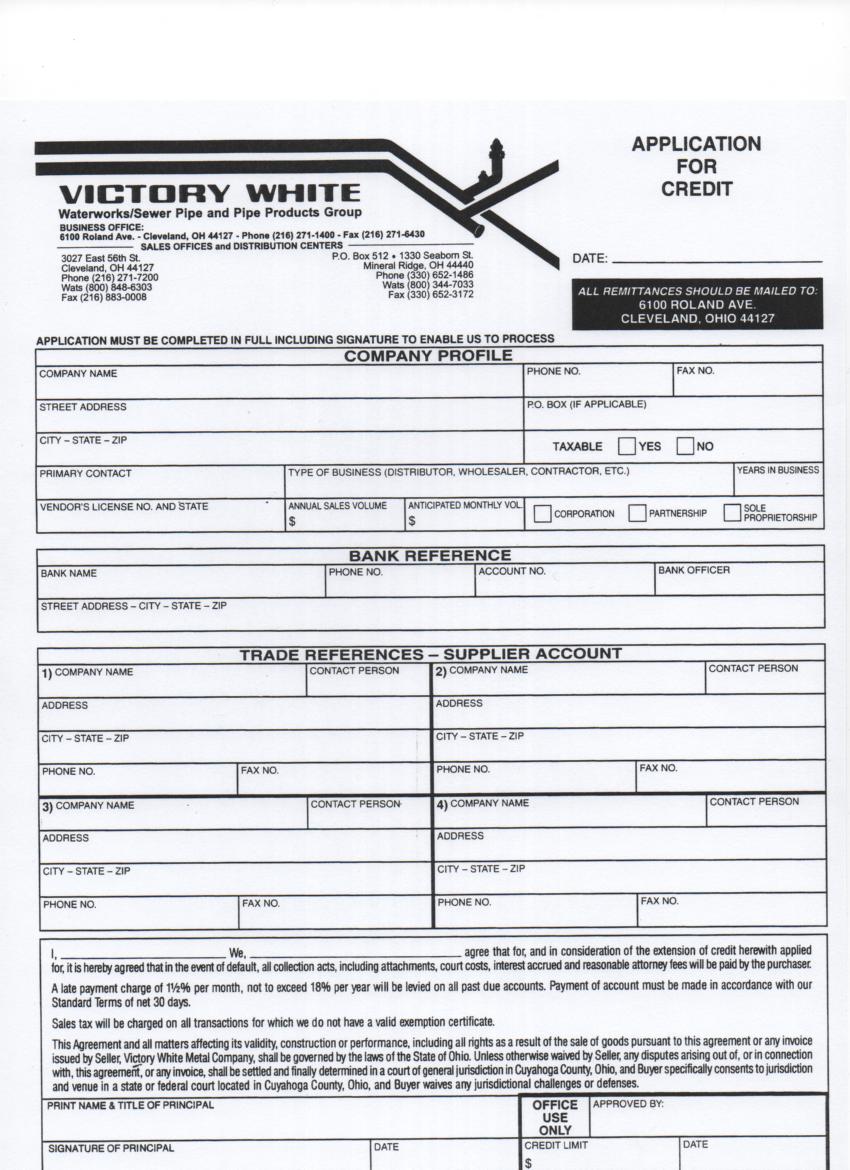
Review our specials at www.ebay.victorywhite.com or need credit? Fill out this credit form and return to us.Book an audit or inspection, future project or review your options. Fill out a project form to better inform us of your needs.
Inspection and maintenance
In most areas fire hydrants require annual inspections and maintenance - they normally only have a one
year warranty, but some have 5 or even 10 year warranties, although the longer warranty does not remove the need for periodic inspections
or maintenance. These inspections are generally performed by the local municipalities but they often do not inspect hydrants that
are identified as private. Private hydrants are usually located on larger properties to adequately protect large buildings in case
of a fire and in order to comply with the fire code. Such hydrants have met the requirements of insurance underwriters and are often
referred to as UL/FM hydrants. Some companies are contracted out to inspect private fire hydrants unless the municipality has undertaken
that task. Some fire Hydrant manufacturers recommend lubricating the head mechanism and restoring the head gaskets and o-rings annually
in order that the fire hydrant perform the service expected of them, while others have incorporate proprietary features to provide
long-term lubrication of the hydrant's operating mechanism. In any case, periodic inspection of lubricates is recommended. Lubrication
is generally done with a food grade non-petroleum lubricant to avoid contamination of the distribution system. Occasionally a stone
or foreign object will mar the seat gasket. In this case, most hydrants have a special seat wrench that allows removal of the seat
to replace the gasket or other broken parts without removing the hydrant from the ground. Hydrants extensions are also available for
raising a hydrant if the grade around the hydrant changes. Without extending the height, the wrenches to remove caps would not clear
and the break flanges for traffic models would not be located correctly in case they were hit. Hydrant repair kits are also available
to repair sacrificial parts designed to break when hit by a vehicle. Many departments use the hydrants for flushing out water line
sediments. When doing so, they often use a hydrant diffuser, which is a device that diffuses the water so that it doesn't damage property
and is less dangerous to bystanders than a solid stream. Some diffusers also dechlorinate the water to avoid ground contamination.
Hydrants are also sometimes used as entry or exit points for pipe cleaning pigs.